

 Call Us Now
 Email Us Now


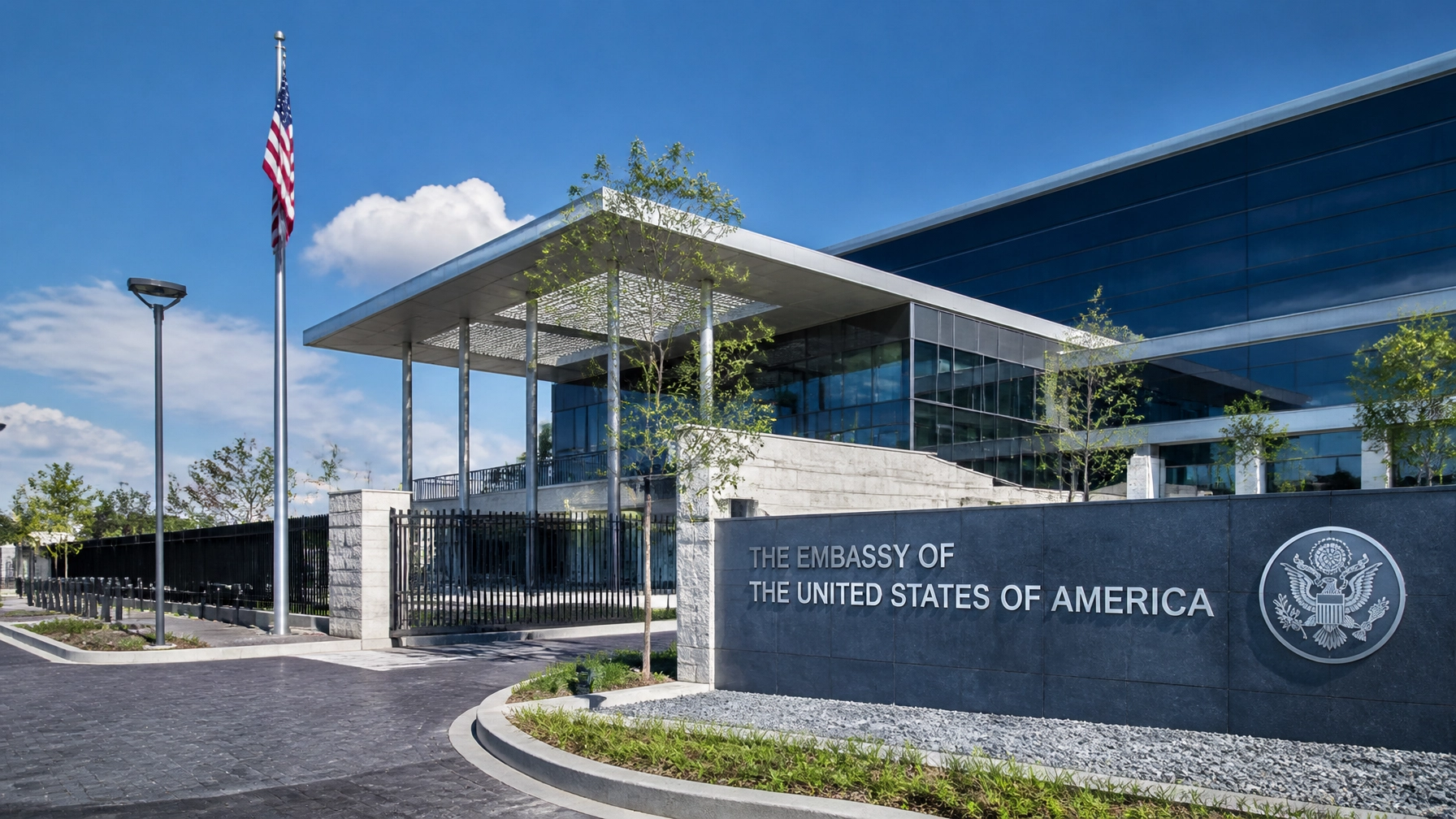
📢 Urgently In Effect: In a major consular overhaul, the U.S. Department of State has announced that it will officially end routine immigrant and non-immigrant visa processing at 25 diplomatic posts across Africa starting August 1, 2026.
If you or a family member are preparing to apply for a U.S. visa services Africa applicant pool, this sweeping reorganization will fundamentally change how and where you complete your application. Rather than closing embassies entirely, the administration is consolidating all routine visa operations into 20 designated regional hubs.
To help you navigate this transition, we have broken down what this means for your travel plans, your immigration journey, and how we will continue to keep you updated as further details emerge.
Who is affected by the consular overhaul?
The realignment impacts applicants across more than two dozen countries where routine visa services are ceasing locally.
The 25 diplomatic posts losing routine visa processing:
- Antananarivo (Madagascar)
- Abuja (Nigeria)
- Asmara (Eritrea)
- Bamako (Mali)
- Banjul (The Gambia)
- Brazzaville (Republic of the Congo)
- Bujumbura (Burundi)
- Conakry (Guinea)
- Cotonou (Benin)
- Durban (South Africa)
- Freetown (Sierra Leone)
- Gaborone (Botswana)
- Harare (Zimbabwe)
- Juba (South Sudan)
- Libreville (Gabon)
- Lilongwe (Malawi)
- Lusaka (Zambia)
- Maputo (Mozambique)
- Maseru (Lesotho)
- Mbabane (Eswatini)
- N'Djamena (Chad)
- Niamey (Niger)
- Nouakchott (Mauritania)
- Ouagadougou (Burkina Faso)
- Windhoek (Namibia)
If your nearest U.S. embassy or consulate appears on this list, you will no longer be able to schedule routine interviews or complete local processing there starting August 1.
What does this mean for your visa application?
If you are affected by this policy change, your visa application strategy must adapt immediately. You are required to travel to one of the 20 regional visa hubs designated by the State Department for your consular interview and processing.
The 20 designated regional hubs accepting transferred caseloads:
- Abidjan, Accra, Addis Ababa, Cape Town, Dakar, Dar es Salaam, Djibouti, Johannesburg, Kampala, Kigali, Kinshasa, Lagos, Lomé, Luanda, Malabo, Monrovia, Nairobi, Port Louis, Praia, and Yaoundé.
This change covers all routine visa categories, including:
- Non-immigrant visas (tourist, business, and temporary employment categories)
- Immigrant visas (family-based sponsorship, permanent employment-based petitions)
While no embassies or consulates are being closed (meaning diplomatic representation, citizen services, and limited non-immigrant services may remain), your routine visa pathway now requires cross-border travel. This introduces significant logistical challenges, increased travel expenses, and potential delays as regional hubs absorb higher application volumes.
Why the change? (The bigger picture)
The State Department has framed this consolidation as a vital measure to promote "more uniform screening, vetting and adjudication standards" while maximizing operational efficiency across U.S. consular services.
This announcement follows an internal administration review earlier this year exploring how to streamline the footprint of overseas diplomatic posts. By centralizing operations into specialized regional centers, Washington aims to enforce stricter security protocols and standardise vetting procedures. However, we acknowledge the profound real-world impact this has on families, students, and professionals whose journeys are suddenly complicated by mandatory international travel just to attend a visa interview.
How to stay informed and protect your immigration timeline
Navigating shifting consular rules requires proactive planning and expert guidance. If you have pending applications or are planning to initiate a petition, you must plan as though these regional hubs will experience heavy scheduling bottlenecks.
As an ongoing resource, we monitor these developments closely to keep you updated on policy shifts, appointment availability, and procedural requirements.
Disclaimer: Immigration policies and consular directives are subject to rapid change. This article is for informational purposes and does not constitute formal legal advice. For personalized guidance on your specific immigration matter, consult with a qualified legal professional.
Take the next step with confidence
Changes to US consular services can disrupt even the most carefully laid plans. You don't have to navigate these complex regulatory shifts alone. Whether you are sponsoring a family member, managing an employment-based petition, or looking for strategic business immigration support, our team is here to partner with you every step of the way.
Contact us today to schedule a consultation and ensure your immigration strategy remains solid in the face of changing global policies.
#USVisa #VisaProcessing #ImmigrationLaw #StateDepartment #USImmigration #GlobalMobility #FamilyImmigration #BusinessImmigration

